


 0
0

 0
0


- Home
- Technique Categories
Technique Categories
Product Listing
-
 Product Part
Description:
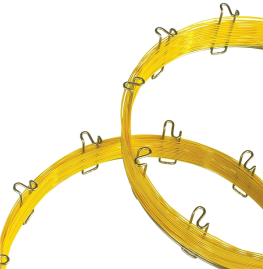
SS-Sulfur is a non-polar column developed for the analysis of volatile sulfur compounds. With sufficient inert treatment, it is possible to analyze SO2 as well as sulfur compounds up to C7 mercaptan.
OUT OF STOCKSS-Sulfur is a non-polar column developed for the analysis of volatile sulfur compounds. With sufficient inert treatment, it is possible to analyze SO2 as well as sulfur compounds up to C7 mercaptan.
-
Product Part
Description:
SS-Ammonia is a column developed for the analysis of ammonia in light hydrocarbons. Since ammonia is eluted after undecane, it is an ideal column for ammonia analysis in C2-C4. Due to the sufficient inert treatment, even a low concentration of ammonia can be analyzed with high sensitivity without adsorption.
OUT OF STOCKSS-Ammonia is a column developed for the analysis of ammonia in light hydrocarbons. Since ammonia is eluted after undecane, it is an ideal column for ammonia analysis in C2-C4. Due to the sufficient inert treatment, even a low concentration of ammonia can be analyzed with high sensitivity without adsorption.
-
Product Part
-
Product Part
-
Product Part
Description:
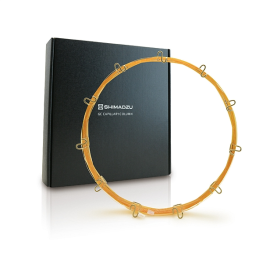
SS-PLOT-Q is a widely used column for the analysis of hydrocarbons and volatile organic solvents. It can analyze non-polar hydrocarbons and permanent gases as well as highly polar volatile compounds such as hydrocarbons C1 to C6, ketones, organic solvents, alcohols, free fatty acids, halogen compounds, and sulfides. Water can also be injected into the columns, and good retention time reproducibility can be obtained. SS-PLOT-Q-UMetal uses deactivated metal capillaries that are resistant to physical impact, making the column easier to handle than fused silica capillaries.
OUT OF STOCKSS-PLOT-Q is a widely used column for the analysis of hydrocarbons and volatile organic solvents. It can analyze non-polar hydrocarbons and permanent gases as well as highly polar volatile compounds such as hydrocarbons C1 to C6, ketones, organic solvents, alcohols, free fatty acids, halogen compounds, and sulfides. Water can also be injected into the columns, and good retention time reproducibility can be obtained. SS-PLOT-Q-UMetal uses deactivated metal capillaries that are resistant to physical impact, making the column easier to handle than fused silica capillaries.
-
Product Part
Description:
SS-PLOT-Q is a widely used column for the analysis of hydrocarbons and volatile organic solvents. It can analyze non-polar hydrocarbons and permanent gases as well as highly polar volatile compounds such as hydrocarbons C1 to C6, ketones, organic solvents, alcohols, free fatty acids, halogen compounds, and sulfides. Water can also be injected into the columns, and good retention time reproducibility can be obtained. SS-PLOT-Q-UMetal uses deactivated metal capillaries that are resistant to physical impact, making the column easier to handle than fused silica capillaries.
OUT OF STOCKSS-PLOT-Q is a widely used column for the analysis of hydrocarbons and volatile organic solvents. It can analyze non-polar hydrocarbons and permanent gases as well as highly polar volatile compounds such as hydrocarbons C1 to C6, ketones, organic solvents, alcohols, free fatty acids, halogen compounds, and sulfides. Water can also be injected into the columns, and good retention time reproducibility can be obtained. SS-PLOT-Q-UMetal uses deactivated metal capillaries that are resistant to physical impact, making the column easier to handle than fused silica capillaries.
-
Product Part
Description:
SS-PLOT-Q is a widely used column for the analysis of hydrocarbons and volatile organic solvents. It can analyze non-polar hydrocarbons and permanent gases as well as highly polar volatile compounds such as hydrocarbons C1 to C6, ketones, organic solvents, alcohols, free fatty acids, halogen compounds, and sulfides. Water can also be injected into the columns, and good retention time reproducibility can be obtained. SS-PLOT-Q-UMetal uses deactivated metal capillaries that are resistant to physical impact, making the column easier to handle than fused silica capillaries.
OUT OF STOCKSS-PLOT-Q is a widely used column for the analysis of hydrocarbons and volatile organic solvents. It can analyze non-polar hydrocarbons and permanent gases as well as highly polar volatile compounds such as hydrocarbons C1 to C6, ketones, organic solvents, alcohols, free fatty acids, halogen compounds, and sulfides. Water can also be injected into the columns, and good retention time reproducibility can be obtained. SS-PLOT-Q-UMetal uses deactivated metal capillaries that are resistant to physical impact, making the column easier to handle than fused silica capillaries.
-
Product Part
Description:
SS-PLOT-Q is a widely used column for the analysis of hydrocarbons and volatile organic solvents. It can analyze non-polar hydrocarbons and permanent gases as well as highly polar volatile compounds such as hydrocarbons C1 to C6, ketones, organic solvents, alcohols, free fatty acids, halogen compounds, and sulfides. Water can also be injected into the columns, and good retention time reproducibility can be obtained. SS-PLOT-Q-UMetal uses deactivated metal capillaries that are resistant to physical impact, making the column easier to handle than fused silica capillaries.
OUT OF STOCKSS-PLOT-Q is a widely used column for the analysis of hydrocarbons and volatile organic solvents. It can analyze non-polar hydrocarbons and permanent gases as well as highly polar volatile compounds such as hydrocarbons C1 to C6, ketones, organic solvents, alcohols, free fatty acids, halogen compounds, and sulfides. Water can also be injected into the columns, and good retention time reproducibility can be obtained. SS-PLOT-Q-UMetal uses deactivated metal capillaries that are resistant to physical impact, making the column easier to handle than fused silica capillaries.
-
Product Part
Description:
SS-PLOT-Q is a widely used column for the analysis of hydrocarbons and volatile organic solvents. It can analyze non-polar hydrocarbons and permanent gases as well as highly polar volatile compounds such as hydrocarbons C1 to C6, ketones, organic solvents, alcohols, free fatty acids, halogen compounds, and sulfides. Water can also be injected into the columns, and good retention time reproducibility can be obtained. SS-PLOT-Q-UMetal uses deactivated metal capillaries that are resistant to physical impact, making the column easier to handle than fused silica capillaries.
OUT OF STOCKSS-PLOT-Q is a widely used column for the analysis of hydrocarbons and volatile organic solvents. It can analyze non-polar hydrocarbons and permanent gases as well as highly polar volatile compounds such as hydrocarbons C1 to C6, ketones, organic solvents, alcohols, free fatty acids, halogen compounds, and sulfides. Water can also be injected into the columns, and good retention time reproducibility can be obtained. SS-PLOT-Q-UMetal uses deactivated metal capillaries that are resistant to physical impact, making the column easier to handle than fused silica capillaries.
-
Product Part
Description:
SS-PLOT-Q is a widely used column for the analysis of hydrocarbons and volatile organic solvents. It can analyze non-polar hydrocarbons and permanent gases as well as highly polar volatile compounds such as hydrocarbons C1 to C6, ketones, organic solvents, alcohols, free fatty acids, halogen compounds, and sulfides. Water can also be injected into the columns, and good retention time reproducibility can be obtained. SS-PLOT-Q-UMetal uses deactivated metal capillaries that are resistant to physical impact, making the column easier to handle than fused silica capillaries.
OUT OF STOCKSS-PLOT-Q is a widely used column for the analysis of hydrocarbons and volatile organic solvents. It can analyze non-polar hydrocarbons and permanent gases as well as highly polar volatile compounds such as hydrocarbons C1 to C6, ketones, organic solvents, alcohols, free fatty acids, halogen compounds, and sulfides. Water can also be injected into the columns, and good retention time reproducibility can be obtained. SS-PLOT-Q-UMetal uses deactivated metal capillaries that are resistant to physical impact, making the column easier to handle than fused silica capillaries.
-
Product Part
Description:
This glass fiber filter offers a rapid flow rate and an exceptionally high loading capacity. Due to its precise 0.7 µm particle retention specification and pure borosilicate glass composition, MGF serves as the foundational material for the EPA Method TCLP 1311, which pertains to the Toxicity Characteristic Leaching Procedure. It continues to be the preferred filter today. It is recommended for the binding and purification of DNA. MGF is highly efficient at filtering finely precipitated proteins and can be utilized alongside MGD as a prefilter to effectively clarify particularly challenging biochemical solutions, fluids, and nucleic acids. Grade Application MGF Higher efficiency in particle retention for smaller particles than other glass fiber grades, clarification of protein solutions, filtration of liquids prior to HPLC Cross reference: Whatman: GFF ED Scientific Specialities: 151 Advantec: GD-75
OUT OF STOCKThis glass fiber filter offers a rapid flow rate and an exceptionally high loading capacity. Due to its precise 0.7 µm particle retention specification and pure borosilicate glass composition, MGF serves as the foundational material for the EPA Method TCLP 1311, which pertains to the Toxicity Characteristic Leaching Procedure. It continues to be the preferred filter today. It is recommended for the binding and purification of DNA. MGF is highly efficient at filtering finely precipitated proteins and can be utilized alongside MGD as a prefilter to effectively clarify particularly challenging biochemical solutions, fluids, and nucleic acids. Grade Application MGF Higher efficiency in particle retention for smaller particles than other glass fiber grades, clarification of protein solutions, filtration of liquids prior to HPLC Cross reference: Whatman: GFF ED Scientific Specialities: 151 Advantec: GD-75
-
Product Part
Description:
These glass microfiber filters have three times the thickness of MGA, offering greater wet strength and a significantly enhanced loading capacity. They effectively combine fine particle retention with a favorable flow rate. They are especially beneficial for applications involving liquid clarification or solids measurement in heavily loaded fine particulate suspensions. They can serve as a finely retentive membrane prefilter. These filters are utilized in LSC techniques that demand a high loading capacity. Grade Application MGB Filtration of suspended solids in water, waste water analysis, pre-filters for membranes, suitable for filtration of large volumes. Cross reference: Whatman: GFB ED Scientific Specialities: 121 Advantec: GA-140
OUT OF STOCKThese glass microfiber filters have three times the thickness of MGA, offering greater wet strength and a significantly enhanced loading capacity. They effectively combine fine particle retention with a favorable flow rate. They are especially beneficial for applications involving liquid clarification or solids measurement in heavily loaded fine particulate suspensions. They can serve as a finely retentive membrane prefilter. These filters are utilized in LSC techniques that demand a high loading capacity. Grade Application MGB Filtration of suspended solids in water, waste water analysis, pre-filters for membranes, suitable for filtration of large volumes. Cross reference: Whatman: GFB ED Scientific Specialities: 121 Advantec: GA-140